
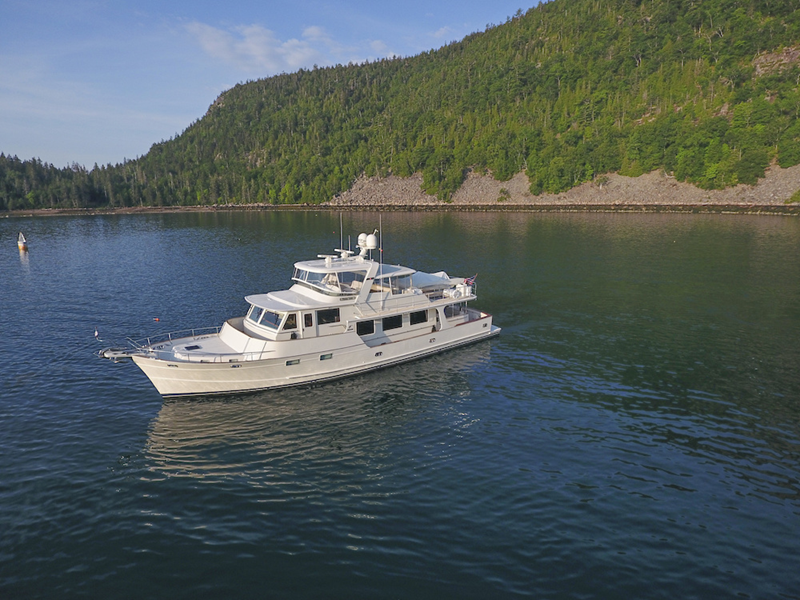
Moving a boat over land involves more than choosing a pickup date and waiting for it to arrive at the other end. Vessel dimensions, loading conditions, marina access, scheduling, carrier suitability, and delivery arrangements can all affect how smoothly the move goes.
Whether a boat is changing owners, heading to a new marina, traveling for service, or relocating between boating regions, some preparation before pickup can prevent avoidable confusion. The following checklist focuses on the details worth addressing before the transport begins.
Start With Accurate Vessel Information
Good transport planning starts with an accurate description of the boat.
Gather the vessel’s make, model, year, overall length, beam, height, and approximate weight. Do not assume that specifications found in a brochure necessarily represent the boat’s current transport dimensions. Towers, antennas, radar equipment, hardtops, swim platforms, aftermarket accessories, and other additions can affect the vessel’s actual profile.
Also establish its current condition. Is the boat operational? Is it already on a trailer? Will lifting equipment be necessary? Is the pickup location a marina, dealership, residence, storage facility, or boatyard?
Providing this information early helps the people arranging the move understand what equipment, access, and planning may be required.
Photographs can also be useful during the planning stage. Clear images of the boat from several angles can help illustrate its configuration and identify equipment that may need attention before transport.
Decide How the Transport Will Be Coordinated
One frequently overlooked question is not simply who will haul the vessel, but who will coordinate everything surrounding the haul.
Someone needs to confirm the carrier, establish pickup and delivery details, communicate with the facilities involved, and make sure the vessel and locations are ready at the appropriate time. When several parties are involved—such as a buyer, seller, broker, marina, and carrier—unclear responsibilities can quickly create unnecessary complications.
Owners evaluating coordination services can look at the scope of responsibilities being offered. For example, personal boat transport outlines carrier selection, scheduling, marina communication, pickup, and delivery as parts of its transport-coordination process. Those are useful categories to consider when comparing how any provider intends to manage a move.
Before booking, determine who will be your primary contact and who is responsible for communicating changes. Having those expectations established in advance is far easier than sorting them out on pickup day.
Confirm Pickup and Delivery Access
A carrier reaching the city is not the same thing as a transport vehicle being able to reach the boat.
Check the physical conditions at both ends of the trip. Consider entrance widths, gates, low branches, tight turns, parked vehicles, loading areas, security procedures, operating hours, and any facility-specific requirements.
For marina pickups, confirm when the vessel will be accessible and whether staff or lifting equipment must be scheduled. If a boat needs to be placed on or removed from transport equipment, make sure the facility knows what is expected before the carrier arrives.
The delivery location deserves the same attention. Establish where the carrier can safely enter, where unloading will occur, and who needs to be present.
These details may sound routine, but resolving them beforehand reduces the chance that the carrier arrives at a location that is not ready to handle the vessel.
Prepare the Boat for the Road
A boat that is ready for normal use on the water is not automatically ready for highway transport.
Before pickup, inspect anything that could move, open, loosen, or be exposed during the trip. Remove personal belongings and unsecured equipment. Close and secure compartments, doors, windows, and hatches. Items that cannot remain safely in place should be removed or prepared according to the transport plan.
Pay particular attention to equipment mounted above the normal profile of the vessel. Depending on the boat and route, items such as antennas, outriggers, electronics, canvas, or other accessories may need special consideration.
Discuss preparation responsibilities with the transport provider rather than making assumptions. Establish which tasks belong to the owner, marina, yard, or carrier and make sure they are completed before pickup.
It is also sensible to photograph the vessel shortly before it leaves. A basic visual record creates a clear reference for its condition at handoff.
Build Some Flexibility Into the Schedule
Boat transportation involves several parties, and their schedules need to align.
A marina may have restricted operating hours. A vessel may not be ready when expected. Loading arrangements can change. Route requirements or other transport conditions can also affect timing.
For that reason, treat pickup and delivery estimates as part of a coordinated plan rather than assuming every stage will occur at an exact minute.
Ask how schedule updates will be communicated and who should be contacted if something changes. If the move is connected to a closing date, marina reservation, service appointment, boat show, or another time-sensitive event, make that deadline known during planning rather than shortly before delivery.
A little scheduling flexibility can make it much easier to accommodate real-world changes without disrupting everything surrounding the move.
Conclusion
A successful boat move begins well before the vessel is loaded for transport. Accurate dimensions, clearly assigned responsibilities, accessible pickup and delivery locations, proper vessel preparation, and realistic scheduling all contribute to a better-planned experience.
The most useful preparation question is simple: what will the carrier and everyone else involved need to know before arriving?
Answering that early—and making sure the right people are communicating—can eliminate many of the preventable problems that otherwise appear on transport day.