
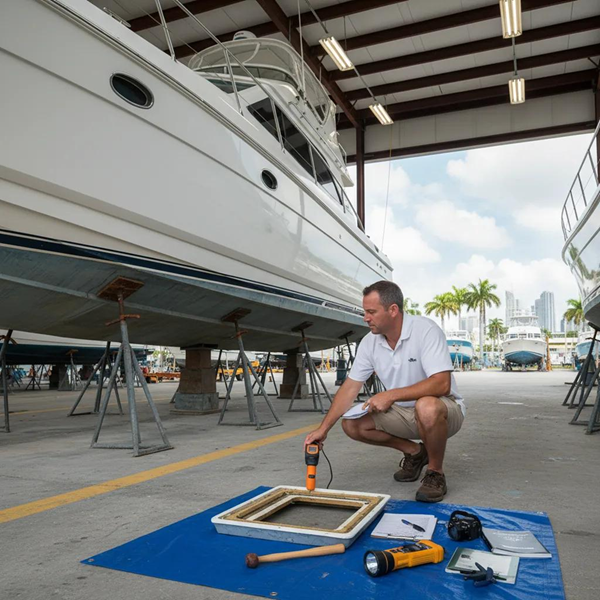
Buying a used boat in Florida can be an exciting investment, whether you plan to explore coastal waterways, enjoy weekend fishing trips, or spend more time cruising with family. However, a boat that looks excellent at the dock may have underlying problems that are difficult to identify during a quick inspection.
Florida’s saltwater environment, humidity, and year-round boating conditions can contribute to wear that is not immediately visible. Some issues may require relatively simple repairs, while others can affect the vessel’s safety, performance, and long-term ownership costs.
Understanding the following seven potential problems can help buyers make more informed decisions before purchasing a used boat.
1. Hidden Hull Damage and Structural Weakness
A boat’s hull is one of its most important structural components. Although exterior surfaces may appear clean and well maintained, damage can exist beneath paint, antifouling coatings, or previous repairs.
Common concerns include cracks, delamination, impact damage, and deteriorating structural supports. Fiberglass boats may develop problems when water enters damaged laminate or core materials.
Buyers should inspect accessible hull surfaces for unusual cracks, repairs, distortion, and signs of previous damage. Pay particular attention to areas around fittings, the keel, and the transom.
A haul-out inspection can reveal underwater areas that cannot be adequately evaluated while the vessel remains afloat.
2. Moisture Intrusion and Water-Damaged Materials
Water intrusion is another concern when purchasing an older or poorly maintained boat.
Moisture can enter through improperly sealed deck hardware, windows, hatches, and deteriorating joints. Over time, trapped water may damage wood components, weaken cored structures, and encourage mold growth.
Soft deck areas, unexplained stains, persistent musty odors, and corrosion around fittings may indicate moisture-related problems.
However, visible symptoms do not always reveal the full extent of damage. Specialized inspection methods and additional testing may be needed to evaluate suspected moisture intrusion.
Identifying these concerns before purchase helps buyers understand whether repairs are manageable or potentially extensive.
3. Corrosion in Engines and Mechanical Components
Saltwater exposure can accelerate corrosion, particularly when protective coatings, seals, and maintenance practices are inadequate.
Engine components, cooling systems, exhaust assemblies, fuel systems, and underwater metals deserve careful attention.
Buyers should look for corrosion around connections, fluid leaks, damaged hoses, and evidence of neglected maintenance.
An engine that starts easily at the dock may still experience problems under operating loads. This is why a sea trial and, when appropriate, an inspection by a qualified marine engine technician are valuable.
Reviewing service records can also help establish whether important maintenance tasks have been completed consistently.
4. Outdated or Improper Electrical Systems
Electrical issues can create both reliability and safety concerns.
Some used boats have undergone several rounds of equipment upgrades, creating wiring arrangements that are difficult to understand or maintain.
Warning signs include exposed conductors, loose connections, unsuitable wiring repairs, corroded terminals, and improperly protected circuits.
Buyers should pay attention to the condition of battery installations, charging equipment, distribution panels, and electrical accessories.
Not every wiring irregularity indicates an immediate hazard, but questionable installations should be evaluated before assuming they are safe.
Because electrical problems can be hidden behind panels and inside compartments, professional inspection can be particularly useful.
5. Problems That Require a Professional Marine Survey
Many boat buyers feel comfortable evaluating cosmetic condition, seating, electronics, and general cleanliness. However, determining the condition of structural components and onboard systems requires a different level of expertise.
A marine survey evaluates accessible parts of the vessel and documents observed deficiencies that may affect condition, safety, or value.
For buyers who need a qualified boat surveyor in Florida, understanding the scope of a pre-purchase survey is an important part of planning an informed purchase.
Depending on the vessel and agreed inspection scope, the process may include examining the hull, deck, electrical installations, mechanical systems, and safety equipment.
A surveyor may also recommend additional investigation when a suspected problem requires specialized testing.
Importantly, a marine survey is not a guarantee that every hidden defect will be discovered. It provides an independent condition assessment that can help buyers decide whether to proceed, request repairs, or reconsider the purchase.
6. Missing Maintenance Records and Previous Repairs
A boat’s maintenance history can provide useful insight into how it has been operated and cared for.
Incomplete service records do not automatically mean a vessel is in poor condition, but they can make it harder to evaluate maintenance consistency.
Ask the seller for documentation relating to engine servicing, major equipment replacements, hull repairs, and previous inspections.
Buyers should also investigate evidence of past collision damage, flooding, grounding, or significant mechanical repairs.
Where documentation is unavailable, additional inspection may be appropriate.
Comparing the seller’s statements with the vessel’s observed condition can help identify discrepancies worth investigating before the transaction is finalized.
7. Skipping the Sea Trial Before Purchase
A boat may perform differently underway than it does while stationary at a marina.
A sea trial gives buyers an opportunity to observe handling, vibration, operating temperatures, engine performance, and the behavior of onboard systems under realistic conditions.
During the trial, pay attention to unusual noises, excessive vibration, steering response, instrument readings, and signs of overheating.
Performance should be considered alongside vessel loading, weather, sea conditions, and manufacturer guidance.
A sea trial does not replace a comprehensive inspection, and it may not reveal every mechanical problem. However, when combined with a professional condition assessment, it can provide valuable evidence about how the vessel operates.
Conclusion
Purchasing a used boat involves more than evaluating its appearance or comparing asking prices.
Hull condition, moisture intrusion, corrosion, electrical installations, maintenance history, and operating performance can all influence the true cost and practicality of ownership.
By examining these areas carefully, reviewing available documentation, and arranging appropriate professional inspections, buyers can reduce uncertainty and make decisions based on more than first impressions.
A careful evaluation before closing can help protect both the boating experience and the financial commitment that comes with it.