
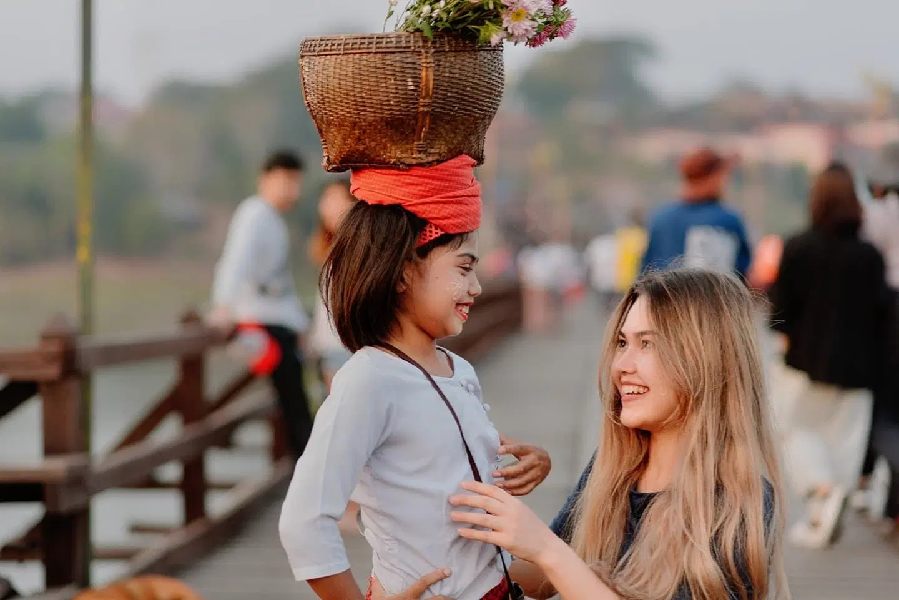
International volunteering is often associated with students or gap years, but adults of many ages and professional backgrounds take part. Some use annual leave for a short project; others volunteer after a career change, during a sabbatical or in retirement. Mature participants can bring patience, practical knowledge and well-developed interpersonal skills, provided the placement matches their abilities and expectations.
The best program is not necessarily the most distant or demanding. It is the one with a credible purpose, suitable responsibilities and enough support for you to contribute safely.
Start with your motivation and availability
Write down what you want to offer, what you hope to learn and how much time you can realistically commit. A one- or two-week placement may suit structured support tasks, while roles involving relationships, specialist training or project management often benefit from a longer stay.
Be honest about your energy, health, comfort level and preferred living conditions. Shared rooms, basic transport, heat, humidity or limited internet may be normal in some destinations. None of these conditions make a program more authentic; they simply need to be understood before booking. A responsible provider should explain daily life clearly as voluntariado internaciomal
Choose a role that fits your experience
Adults sometimes assume their career expertise will transfer automatically to a different cultural or professional setting. Local standards, languages and priorities may be very different. Ask how your skills will be used and who will supervise your work.
Specialists can be valuable when a local partner has requested their expertise and appropriate credentials are verified. Non-specialist roles can also be meaningful: supporting lessons, assisting community activities, maintaining conservation sites or helping with communications under guidance. Flexibility and willingness to learn are often as important as technical knowledge.
Review the program in detail
Compare the project’s objectives, local leadership, safeguarding policies and approach to monitoring impact. Request a sample schedule and a written list of what the fee includes. Check accommodation, meals, airport transfers, local transportation, orientation, language support and emergency contacts.
Well-organized international volunteer opportunities should also define what is not included, such as flights, visas, vaccinations, insurance, personal expenses or weekend travel. Clear information makes budgeting easier and prevents misunderstandings after arrival.
Plan health, insurance and documentation
Entry rules and health recommendations vary by nationality, destination, activity and length of stay. Consult official travel guidance and an appropriate health professional in good time. Make sure your passport has sufficient validity, confirm whether the activity is permitted under your visa or entry status and keep secure copies of essential documents.
Travel insurance should cover the countries, dates and planned volunteer activities, including medical treatment and emergency evacuation when relevant. Disclose pre-existing conditions according to the policy terms. Bring enough prescribed medication in its original packaging, together with supporting documentation if required.
Prepare for the social side of the experience
International programs often bring together people with different ages, languages and habits. You may work with local staff, other volunteers and community members whose communication style differs from yours. Curiosity, respectful questions and tolerance for uncertainty help build trust.
Learn about local history and etiquette before departure. Discuss dress, religious customs, photography, gifts, alcohol, relationships and social media during orientation. Avoid making promises of money or future support that you may not be able to keep. If a concern arises, use the program’s reporting process instead of trying to solve sensitive issues alone.
Expect learning, not control
Daily plans may change because of weather, school calendars, community events or operational needs. Responsible flexibility means adapting without losing sight of safety or project goals. Keep a short journal, ask for feedback and notice assumptions that the experience challenges.
Adult volunteers can make a thoughtful contribution when they combine their experience with humility. Good preparation allows you to arrive ready to listen, work within local systems and support a project that will continue after you go home. That is a more realistic and valuable measure of success than trying to transform a community in a few days.